At All4Ed, we are committed to expanding equitable educational opportunities for students of color, students from low-income families, and other marginalized groups. Search our publications, podcasts, videos, webinars, and other tools to learn more about the policies and practices we promote to ensure all students graduate from high school prepared for college, work, and life.
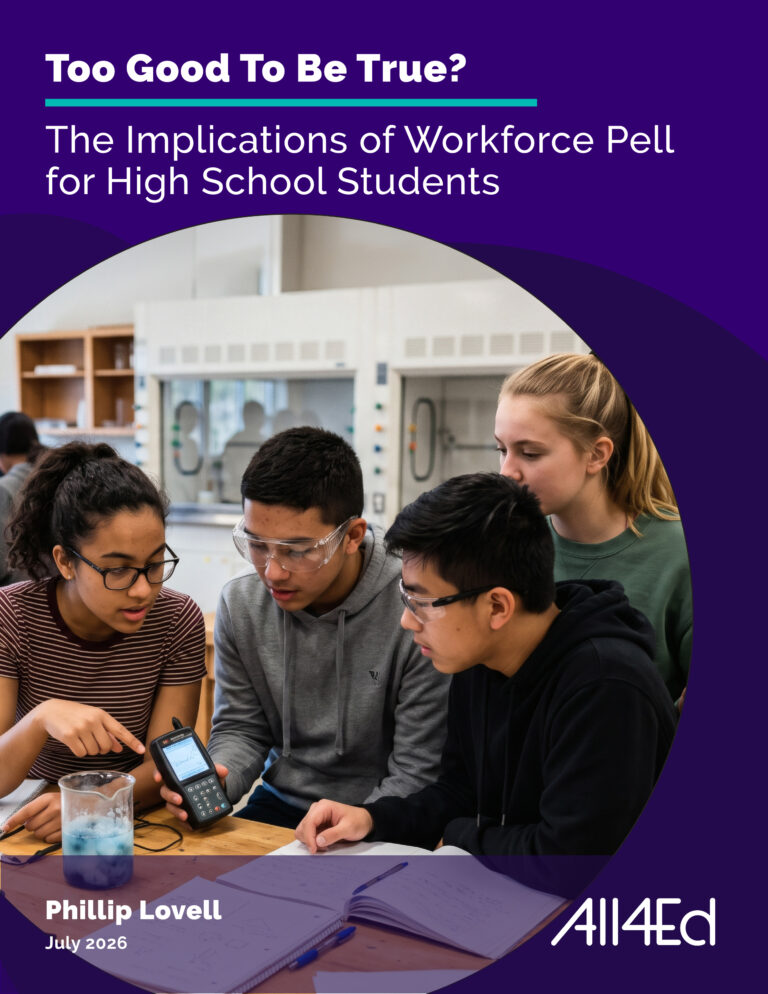
publication | Career and Technical Education, Education Policy, High Schools, Higher Education, Policy and Government
Can Workforce Pell expand opportunity without limiting students’ futures? This report examines how short-term workforce credentials could reshape K–12 education, college and career pathways, and counseling, while offering recommendations to protect long-term student success.

podcast | Accountability and Support, Congress, Education Policy, US Department of Education
Two major federal actions are reshaping education civil rights enforcement. This episode of the All4Ed Flash explains the end of MOA compliance monitoring, changes to Title VI disparate impact enforcement, and what they could mean for students and schools.
publication | Career and Technical Education, College and Career Pathways, Data, Education Policy
Explore how states can strengthen college and career readiness by connecting education data to real student outcomes. This report outlines how better longitudinal data systems can improve accountability, inform policy, and ensure pathways lead to success beyond high school.

publication | Career and Technical Education, College and Career Pathways, Congress, Education Policy, High Schools, Policy and Government
Where someone lives should not determine whether they get the chance to earn college credit before they graduate high school. But that is exactly what is happening today. Decades of research show that dual enrollment, the practice of allowing high school students to take college courses, is one of the most effective tools we have for closing college access and completion gaps. Participants are more likely to enroll in college, persist through their first year, and earn a degree, even after controlling for prior academic achievement. Still, access still depends heavily on zip code, family income, and the resources of a student’s school.
podcast | Accountability and Support, Funding Equity
What would the House’s “Less Bureaucracy, Better Education” legislative package mean for students and schools? This episode of the All4Ed Flash examines the proposed changes, the debate over moving OCTAE, and what’s next as the legislation heads to the full House.
podcast | Accountability and Support, Funding Equity
A proposed OMB rule could change how federal education grants are awarded and managed. In this All4Ed Flash, we explain what’s in the proposal, why All4Ed opposes it, and what it could mean for students, schools, and workforce pathways.
publication | Education Policy
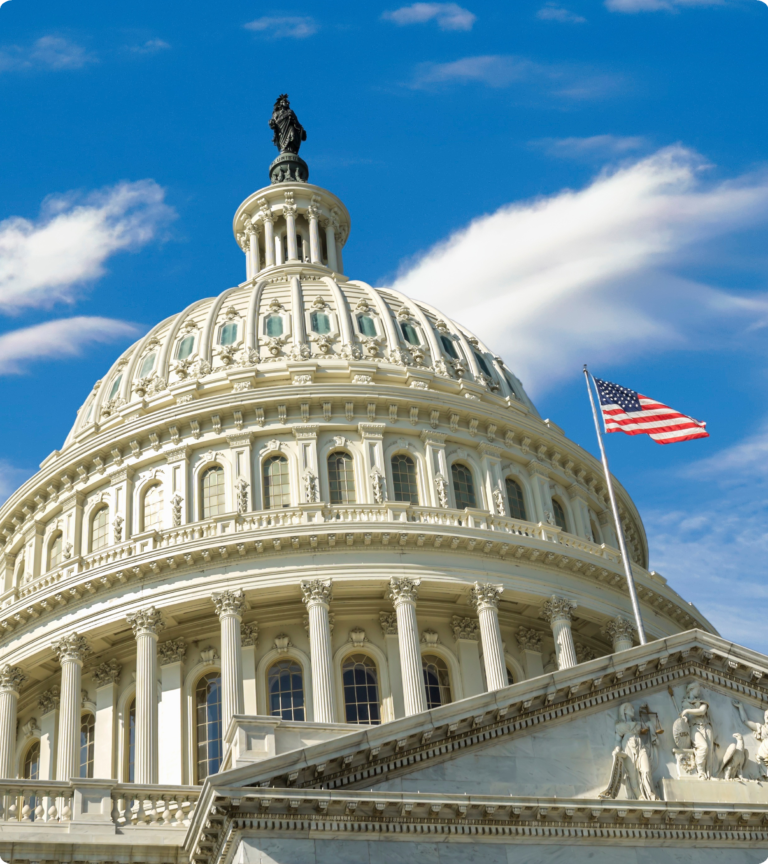
Dr. Amy Loyd, President and CEO of All4Ed, submitted testimony to Democratic Members of the House Committee on Education and the Workforce regarding efforts to transfer the Office of Career, Technical, and Adult Education (OCTAE) from the U.S. Department of Education to the Department of Labor. Her testimony argues that career and technical education (CTE)…

publication | Education Policy
All4Ed submitted comments to the Office of Management and Budget (OMB) in response to its proposed rule governing federal financial assistance. Our comments raise concerns that the proposal would allow discretionary grants supporting education and workforce programs to be terminated based on shifting political priorities, restrict longstanding equity-focused practices required by federal law, and weaken…

blog |
STATUS: We are no longer accepting applications for this position. FLSA status: Full-time; Salaried; ExemptMinimum Salary/Maximum Salary: $125,000/$180,000Location: Fully remote (US-based)Preferred start date: September 2026 WHO WE ARE All4Ed is a national nonprofit committed to expanding equitable educational opportunities for all students, especially those furthest from opportunity. We advance transformation from the classroom to Congress by working at…
